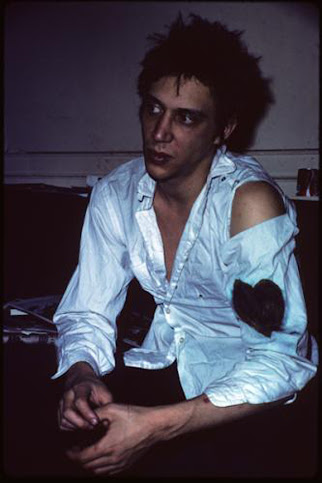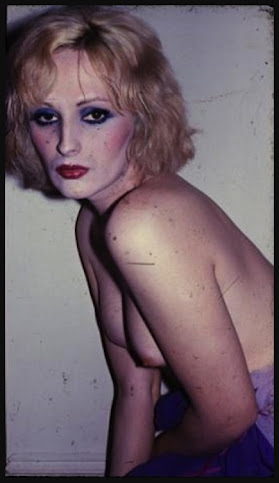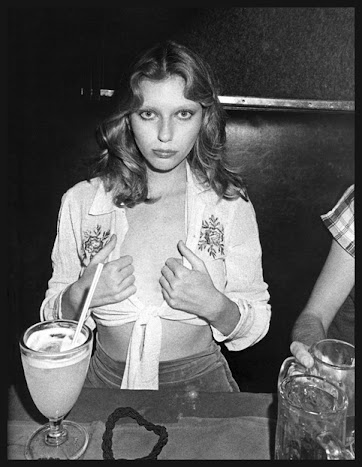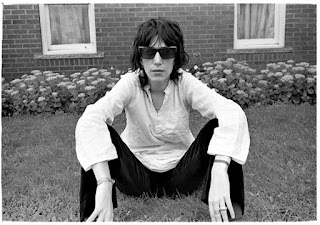


Algunas de estas fotografías de la vida de una joven Patti Smith ya aparecían en el libro de la cantante 'Eramos Unos Niños', donde narraba sus andanzas y especial relación, primero como amantes pero reconvertida luego en una amistad de por vida, con el fotógrafo Robert Mapplethorpe. Poco después de la aparición de ese libro se publicó otro que recopilaba la serie completa de fotografías tomadas por su amiga Judy Linn entre 1969 y 1972, unos años marcados por su unión con Mapplethorpe pero también con Sam Shepard (ambos aparecen en las fotos) y en los que ya se forjaban los métodos y pretensiones de algunos de estos artistas que iban a definir una nueva forma de entender la intelectualidad a través de la intución, la admiración por ciertos iconos de la cultura popular, una fuerte personalidad y una libertad apasionada y espontánea. Como Patti Smith cuenta sobre las fotografías:
"[A Judy y a mí] A ambas nos encantaba el café negro, las enaguas negras y el lápiz de cejas negro. Entendíamos el impacto de los jerseys de cachemir y los collares de perlas, a pesar de que nunca los usábamos. Su estética reflejaba la mía. Adorábamos a Robert Bresson y Albertine Sarrazin, nos derretíamos con la escena del
jukebox en 'Band of Outsiders', la escena de los pájaros en la cabeza en 'Judex', y el juicio de Falconetti rodado por Drey. En definitiva, vivíamos para el cine, especialmente aquel con subtítulos."
"Cuando era más joven, a menudo me preguntaba si eramos todos actores en alguna película celestial... A medida que crecía, gravitaba hacia las películas que poseían belleza fotográfica y soñaba con ser actriz en el grano blanco y negro del mundo francés de la
Nouvelle Vague..."
"Judy disparaba con una Leica y estaba imprimiendo imágenes que eran distintas a las de todos los demás, tiernas y valientes. Yo todavía albergaba el anhelo de ser modelo y una vez que llegamos a conocernos parecía natural que posara para ella... Me sentía protegida por la atmósfera que creamos juntas. Teníamos una narrativa interna, produciendo nuestra propia película muda, con o sin cámara. "
Some of these photographs of the life of a young Patti Smith already appeared in the book by the rock artist titled 'Just Kids', in which she told the personal details and feelings of her special relationship, first as lovers and afterwards a lifelong friendship, with photographer Robert Mapplethorpe. Shortly after the publishing of that book another one was released containing the collected photographs taken by her friend Judy Linn between 1969 and 1972, in which the spectator can take a look at her junction with Mapplethorpe but also with Sam Shepard (both appearing in the photos) and her musicians, years who were to define a new bunch of artists with a renowed understanding of the intelligentsia through intuition, a love for certain popular culture icons, a strong personality and passionate freedom. As Patti Smith puts it in her own words about the photographs:“[Judy and I] We both loved black coffee, black slips, and black eyebrow pencil. We understood the impact of the right cashmere sweater, shantung capris, and a single string of pearls—even though we never wore them. Her aesthetic mirrored my own. We worshiped Robert Bresson and Albertine Sarrazin; we swooned over the jukebox scene in Band of Outsiders, the bird-head scene in Judex, and the trial of Falconetti as shot by Drey. In short, we lived for the movies, especially ones with subtitles.""When I was younger, I often wondered if we were all players in some celestial film… As I grew, I gravitated toward films that possessed photographic beauty and dreamed of being a player in the grainy black-and-white world of the French New Wave…""Judy shot with a Leica and was printing pictures that were like no one else’s—tender and gritty. I still harbored a longing to model and once we got to know each other, it seemed only natural that I pose for her… I felt protected in the atmosphere we created together. We had an inner narrative, producing our own unspoken film, with or without a camera.”Enlaces
LinksThe New York TimesFeature IncblixadahliaIDENTICAL EYEEscuchaListen▶
Patti Smith·'Don't smoke in bed'